
Zohran Mamdani’s political rise has made him one of the most talked-about figures in New York politics. Now, a new nickname from his critics is adding another spark to an already heated political debate.
Few political figures in New York have generated as much attention in such a short period of time as Zohran Mamdani.
From his progressive political agenda to his outspoken public appearances, Mamdani has quickly become a figure who attracts both passionate support and fierce criticism. Supporters see him as a fresh voice representing voters frustrated with the rising cost of living. Critics, meanwhile, argue that his political vision is too radical and question whether his promises can realistically be delivered.
Now, a new nickname being used by his opponents has become part of that larger political battle.
For critics, the nickname is supposed to capture what they believe Mamdani represents. It is not simply a humorous label. It is a political message designed to shape how voters view him and his record.
And as the debate grows louder, one question keeps coming back: Has Mamdani actually done enough to earn the nickname his critics are giving him?
Mamdani’s Rapid Rise
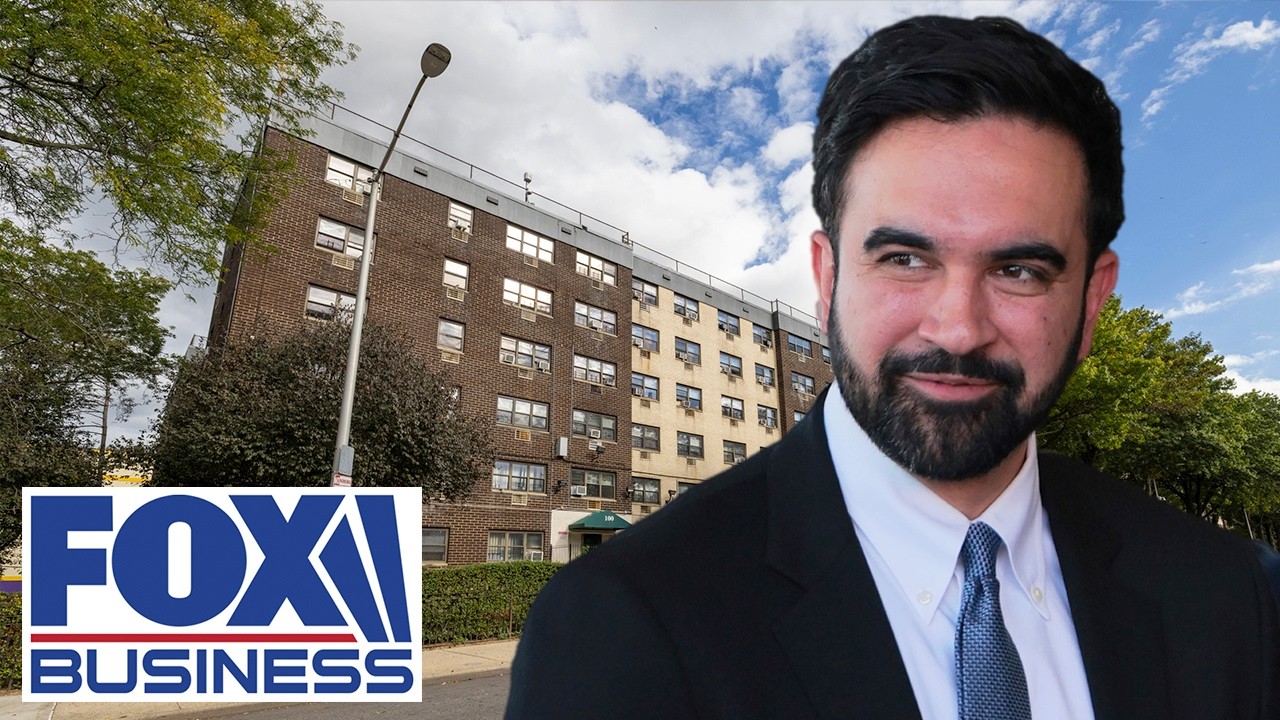
Mamdani’s emergence has been closely watched because of how quickly he has moved from relative political obscurity into the center of New York’s political conversation.
His campaign and political message have appealed strongly to voters concerned about affordability, housing costs and economic pressure.
For many of his supporters, Mamdani represents a generational change in politics. They believe traditional politicians have failed to adequately address the problems facing ordinary New Yorkers, particularly those struggling with expensive housing and everyday expenses.
His supporters have embraced his willingness to challenge established political thinking.
But that same willingness to push for major changes has also made him a target.
Opponents argue that ambitious promises are one thing, while actually paying for and implementing those policies is another.
That disagreement sits at the heart of the growing controversy surrounding Mamdani.
Why the Nickname Is Getting Attention
Political nicknames are nothing new in American politics.
Candidates and public officials have frequently been given labels by supporters or opponents as a way of simplifying their political identity. A successful nickname can stick for years because it gives voters an easy phrase to associate with a complicated political argument.
That appears to be what is happening with Mamdani.
His critics are using the new nickname to portray him through a particular political lens. Rather than debating every individual policy proposal, the nickname attempts to summarize their broader criticism in just a few words.
Supporters, however, argue that this approach is unfair.
They say political opponents are trying to reduce a complicated policy debate to a personal attack instead of engaging seriously with the issues Mamdani has raised.
That disagreement has made the nickname itself part of the political story.
Supporters See Something Very Different
While critics are eager to use the nickname against Mamdani, his supporters see his growing popularity as evidence that his political message is resonating.
They point to voters who are increasingly concerned about affordability and believe government should take a more aggressive role in addressing economic inequality.
For these voters, criticism from political opponents is not necessarily a sign that Mamdani is failing.
In fact, some supporters view the attacks as evidence that he has become influential enough to threaten the political establishment.
The more attention he receives, the more powerful the political battle surrounding him becomes.
Critics Say Actions Matter More Than Words
Mamdani’s opponents have a different interpretation.
They argue that political popularity should not be confused with effective leadership. In their view, campaign promises must eventually be measured against actual results.
That means questions about budgets, implementation, economic consequences and political feasibility will become increasingly important.
A politician can attract thousands of supporters with an inspiring message, critics say, but governing requires difficult decisions that cannot always be solved with slogans.
This is where the nickname becomes particularly significant.
By giving Mamdani a memorable label, his opponents are attempting to connect his political image with what they see as the consequences of his ideology.
The Bigger Political Battle
The dispute over Mamdani is ultimately part of a much larger ideological struggle.
New York has become a major battleground between progressive activists demanding significant changes and politicians who believe the city needs a more moderate or pragmatic approach.
Issues such as housing affordability, taxes, public safety, transportation and government spending have become deeply political.
Mamdani has positioned himself on the progressive side of many of these debates.
That has helped him build a strong base of enthusiastic supporters, but it has also guaranteed that he will face intense scrutiny.
Every major proposal is likely to be examined by opponents looking for weaknesses, while supporters will defend those same proposals as necessary reforms.
Social Media Is Making the Fight Even Bigger
The modern political environment has another factor: social media.
A nickname that once might have remained within a small political circle can now spread rapidly across platforms, reaching millions of people.
Short clips, headlines and provocative political statements can generate enormous attention within hours.
That means Mamdani’s political image is increasingly being shaped not only by traditional news coverage but also by online debates between supporters and critics.
One viral phrase can sometimes dominate a political conversation for days.
The nickname controversy is another example of how modern politics is increasingly driven by memorable messaging.
The Real Test Is Still Ahead
Despite all the arguments surrounding him, Mamdani ultimately faces a much bigger test than a nickname.
Political labels can generate attention, but they cannot govern a city.
If Mamdani is able to demonstrate that his policies can work in practice, his supporters will have a powerful response to critics.
If his proposals encounter serious obstacles, however, opponents will almost certainly use those difficulties as evidence supporting their warnings.
That is why the coming political battles could matter far more than the nickname itself.
The real question is not whether the label is clever.
The real question is whether Mamdani’s political vision can survive the realities of governing.
A Political Figure Who Is Hard to Ignore
Whether people support him or strongly oppose him, one fact is difficult to deny: Zohran Mamdani has become a major presence in New York politics.
His rise has forced conversations about affordability, government, ideology and the future direction of the city.
His supporters believe he represents a new generation of political leadership.
His critics believe his agenda could create new problems while attempting to solve existing ones.
And somewhere in the middle of that political clash sits the controversial new nickname.
For now, the label is another weapon in an increasingly intense political battle. But political nicknames only truly succeed when they capture something that voters believe is meaningful.
As Mamdani’s political career continues to develop, voters will ultimately decide whether the nickname deserves to stick — or whether it will disappear as quickly as it arrived.
The debate is far from over. And if Mamdani’s rapid rise is any indication, the next chapter may be even more controversial than the last.
